One of the first questions people ask when I tell them I do artistic swimming is, “Wait… how can you hear the music underwater?”
It’s a fair question. When you watch an artistic swimming routine, the swimmers may spend a surprising amount of time underwater while moving perfectly in sync with the music. From above the surface, it can look almost impossible. If we are underwater, where does the music even come from?
The answer is underwater speakers.
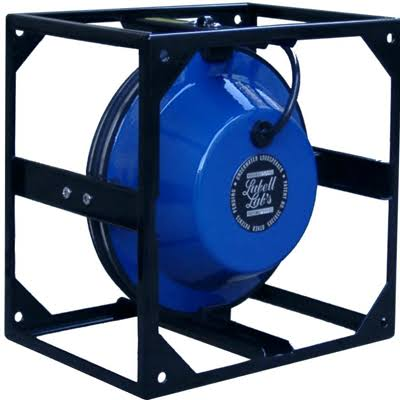
Unlike a normal swimming pool where music is played through speakers around the pool, artistic swimming competitions use special underwater sound systems. These speakers are placed underwater so the music can be heard clearly by swimmers while they are submerged.
Sound also behaves differently underwater. Because water is denser than air, sound travels through it much more efficiently. This allows the music from underwater speakers to reach swimmers even when they are several feet below the surface.
But hearing the music is only the beginning.
Artistic swimmers don’t just listen to the beat. We use the music as a timing system. Every movement, formation, kick, and transition has to happen at a specific moment. If one swimmer is even slightly early or late, the difference can be noticeable when an entire team is supposed to move together.
This becomes even harder when we are upside down.
During a routine, swimmers may be underwater with their legs above the surface, rotating, changing formations, or holding difficult positions. We can’t always see our teammates, so we can’t simply look around and copy what everyone else is doing. Instead, we rely heavily on the music, counting, muscle memory, and countless hours of practice.
Sometimes, we even use specific parts of the music as cues. A certain beat might tell us when to begin a movement. A change in the melody might signal a transition. By the time we perform a routine in competition, we have heard the music so many times that we know exactly what should happen at each moment.
And there is another challenge: breathing.
When you’re underwater, you obviously can’t casually take a breath whenever you want. This means that swimmers have to learn the routine well enough to know where they will be able to breathe and where they need to stay underwater. A section of music that lasts only a few seconds to an audience can feel very different when you’re performing it without breathing.
That is why artistic swimming is not simply dancing in a pool. We are simultaneously listening to music, remembering choreography, controlling our breathing, maintaining body position, watching our teammates when possible, and executing movements with precision—all while moving through water.
So the next time you watch an artistic swimming routine and see a group of swimmers suddenly disappear underwater while the music continues above the surface, remember: the music hasn’t disappeared for us.
It follows us underwater.